

I didn’t realize how heavy it all was—until I started to let it go.
Letting go sounds simple, but it isn’t. Minimalism and letting go are often deeply emotional processes. We don’t just hold onto things—we hold onto memories, identities, and fears.
When I picked up an old dress, I remembered who I used to be. When I saw a gift from someone who was no longer in my life, I felt guilty at the thought of giving it away. I looked at old clothes and thought, “I used to fit this.”
Each item carried weight. This is where minimalism and letting go became more than ideas. It wasn’t about the object. It was about what it meant to me.
I tried to declutter before, but always stopped halfway. The idea of letting go was freeing in theory, but in practice, it made me anxious. What if I needed it later? What if I regretted the decision?
But I also knew the cost of keeping everything. It took space, time, energy. I didn’t want to carry it all anymore.
Then, I tried to start small—one drawer, one shelf, one box. This small beginning marked my real entry into minimalism and letting go in daily life. Slowly, I began to let go.
This process helped me understand the meeting point between Zen and Minimalism. It wasn’t just about clearing space—it was about clearing noise, pressure, and emotional weight.
Letting go became a quiet practice. And it began to transform not just my home, but my heart.
What I Gained from Giving Things Away
1. Mental Clarity
That’s one of the biggest gifts of minimalism and letting go—a lighter mind. With fewer objects around me, my mind felt less crowded.
I stopped wasting time looking for things. My space became easier to clean. My mornings got smoother because I didn’t have to decide between ten shirts. Everything I saw had a place and a purpose.
With less clutter, I started my mornings slower and more mindfully. I created routines that felt grounding and light.
2. Emotional Relief

Some items were hard to let go of. Not because I needed them, but because of what they represented.
There were gifts I never used, but felt guilty throwing away, or letters from people I no longer spoke to. Clothes that no longer fit, but reminded me of a different time.
Letting go of these things was emotional. But afterward, I felt free. With minimalism and letting go, I found the courage to release guilt and memories that no longer served me.
Minimalism helped me make peace with the past—and accept the present.
3. More Space, More Calm
Open space made my home feel bigger and brighter. It also made me feel lighter. I didn’t miss the clutter—I enjoyed the breathing room.
In Zen practice, space is sacred. Empty areas are not voids—they are full of stillness and presence. I started to feel this in my own home.
Space wasn’t empty. It was peaceful. This is the quiet reward of minimalism and letting go—peace, space, and presence.
4. A Deeper Sense of Gratitude
When I owned too much, I barely noticed what I had. Everything blended together.
After letting go, I started to see the beauty in small things. My favorite tea cup, the soft texture of my only winter sweater, or the light hitting a clean table.
Minimalism and letting go helped me reconnect with the beauty I already had. It made me slower and more aware. I no longer needed more to feel fulfilled. I simply needed to see what was in front of me.

5. Clarity in What Matters
Letting go helped me discover what I value.
I used to buy things because they were on sale. I kept things because I didn’t want to “waste” them. But when I paused to ask, “Do I actually need or love this?”—the answer was often no.
Now, I ask better questions.
Does this support who I am today?
Does it bring peace or stress?
Do I keep it out of fear—or love?
These questions help guide not just what I keep, but how I live.
Minimalism and Letting Go Beyond Things
Minimalism started with stuff. But over time, I noticed it began to change other parts of my life too. This is the heart of minimalism and letting go—it’s not about stuff, it’s about life.
I let go of old habits. I stopped trying to please everyone. I said no more often. I slowed down.
I even let go of the idea of being perfect. I stopped trying to do everything right. I made more space for rest, mistakes, and growth.
This is the deeper practice of Zen Minimalism. It’s not just about what’s in your closet. It’s about what’s in your heart.
A Few Things I Chose to Keep
Minimalism doesn’t mean having nothing. It means keeping what matters.
There are a few things I will never give away: A photo of my daughter, a painting from a dear friend, a notebook full of memories.
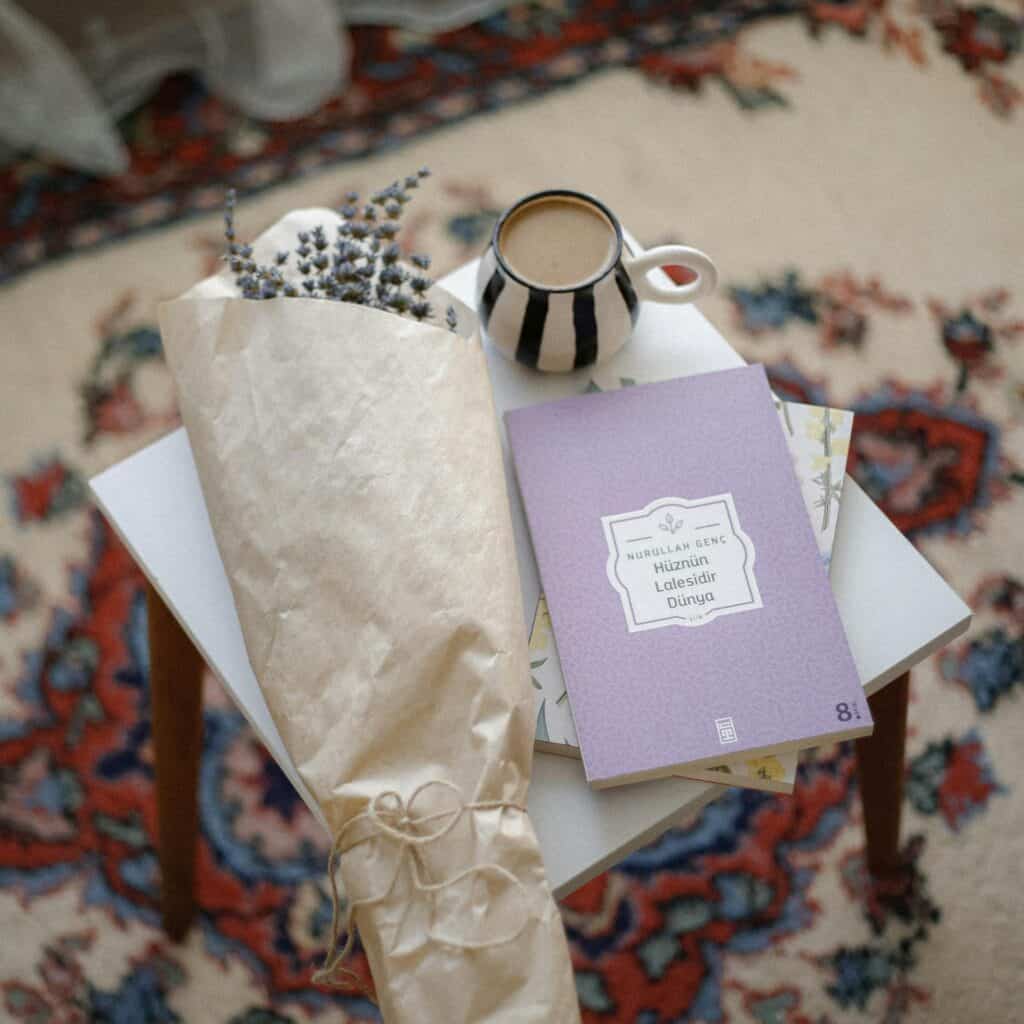
These things don’t take up much space. But they hold meaning, and I chose them with care.
Minimalism helped me see the difference between holding on with purpose and holding on by default.
The Lightness That Remains
Letting go felt scary at first. I thought I would miss things, and I would feel empty.
But I didn’t.
Instead, I felt light, free, and clear.
Each time I gave something away, I gained something else—peace, space, time, joy.
Now, my home is simpler, my days feel easier. I am more present, more grateful, more myself.
Minimalism and letting go was not about losing. It was about returning—to what really matters.
If you’re ready to try, start small. Let go of one thing today. See how it feels. And then keep going. If minimalism and letting go call to you, know that it doesn’t have to be dramatic—it just needs to be honest.
Want more inspiration? Explore the latest stories on Zen Minimalist Living, Practical Minimalism, and Zen in Practice.


