
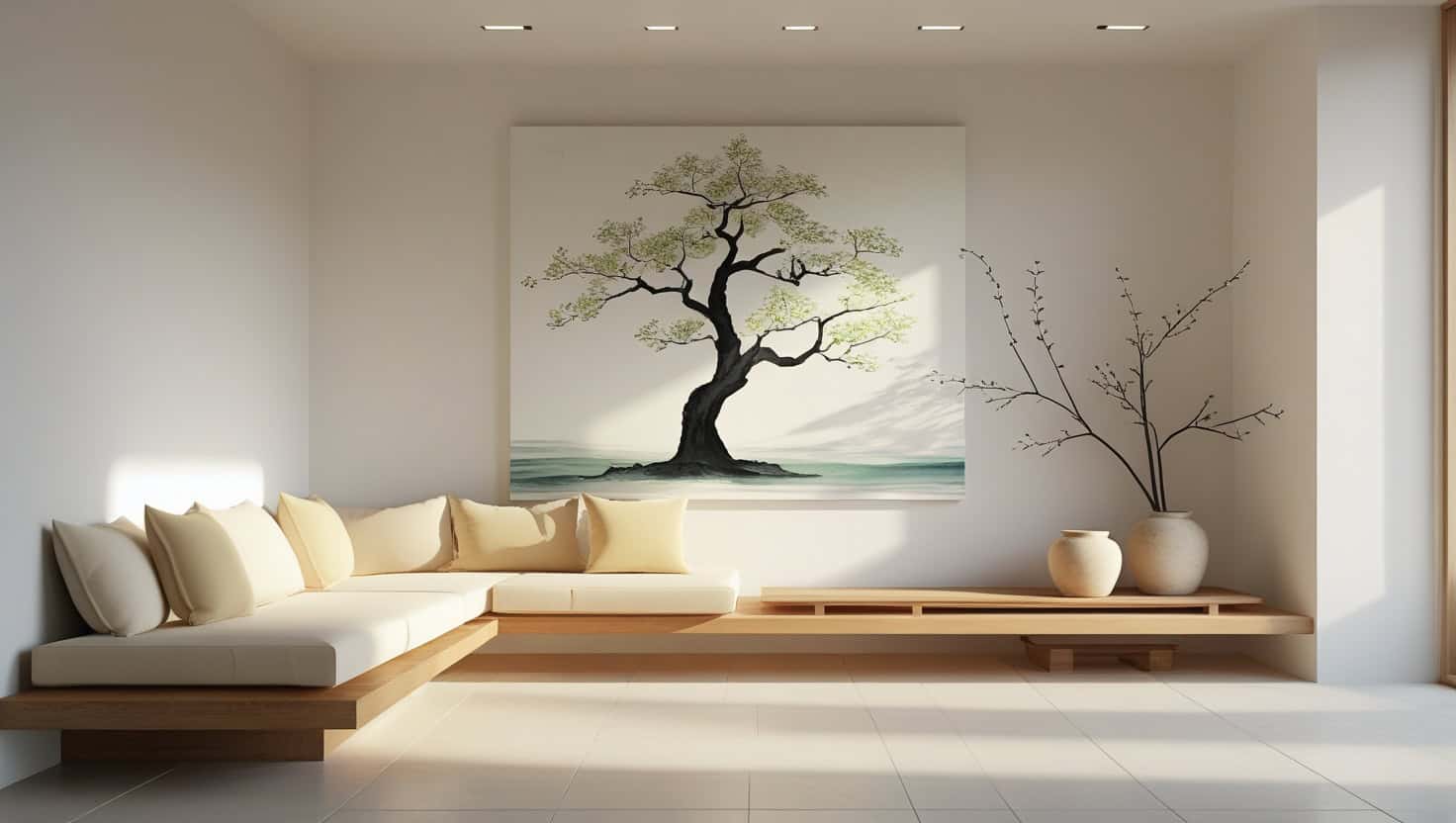
We often see articles and resources about Zen, Minimalist living, and sometimes a mix of both under names like Zen Minimalism or Zen living with Minimalism. No wonder the two concepts can sometimes confuse us. They both seem to point in the same direction: less clutter, more clarity. But are they really the same?
Not quite.
They may walk side by side, but they don’t come from the same place. The way each approaches simplicity can feel very different once you look closer.
Let’s pause and ask: Why does it matter to see the difference?
When we blend Zen and Minimalism as if they are one, we miss the unique value each can bring. Zen is more than meditation or creating a calm corner in your home. Minimalism is more than owning fewer things. Each holds a meaning that can support your life in its own way.
To see how each path works on its own, you can read my reflections here — they complete the picture alongside this article:
☞ What Is Zen? A Complete Guide to Meaning, Practice, and Daily Life
☞ What Is Minimalism? Meaning, Principles, and How It Benefits You
Here, we’ll look more closely at how Zen and Minimalism differ — and how they can also support each other. When the two come together in balance, they create a way of living that feels steadier and more open.
Key Differences Between Zen and Minimalism
Zen and Minimalism both shares concept of simplicity, but they do so in very different ways. Minimalism often shows up as a response to clutter and chaos — a way to regain control over modern excess by clearing out our spaces. Zen, especially within Japanese traditions, has long treated simplicity as a path toward mindfulness and inner peace. Even empty space carries meaning, like the pause that makes a sound stand out.
Here’s a simple way to see the differences:
| Aspect | Zen | Minimalism |
| Origin | Spiritual practice rooted in Buddhism | Modern lifestyle and design choice |
| Focus | Inner world — mind, awareness, presence | Outer world — possessions, habits, lifestyle |
| Methods | Meditation, mindfulness, breathing, awareness | Decluttering, simplifying schedules, choosing intentionally |
| Goals | Inner peace, wisdom, enlightenment | Clarity, freedom, focus |
1. Origin
Zen has its roots in a centuries-old spiritual tradition, built on Buddhist teachings from India, developed in China before spreading to Japan and the rest of the world. Zen emphasis on awareness and awakening to reality.
Minimalism, by contrast, has no religious origin. It began much more recently as an art and lifestyle movement. The minimalist lifestyle movement emerged as a direct response to the excesses of consumption, encouraging people to live with less rather than purchasing more.
2. Focus
Zen looks inward, focus on mindful presence. Real Zen is the practice of fully experience the “actual right-now-in-this-moment self”, and accept our own true nature as it is. Zen asks: How do I experience this moment? and center on the mind.
Minimalism, on the other hand, looks outward. It makes us pause and ask: do I really need this thing, task, or commitment? This approach means reflecting on what adds value and letting go of what doesn’t (Sustainability Directory).
One shapes the mind; the other reshapes the environment.
3. Methods
Zen practice is centered on meditation (zazen) and mindfulness. Beyond formal meditation, Zen extends awareness into everyday activities: Zen teaches us to pay full attention, even in simple acts like drinking tea or walking. By being fully present in each activity, we find peace in our mind.
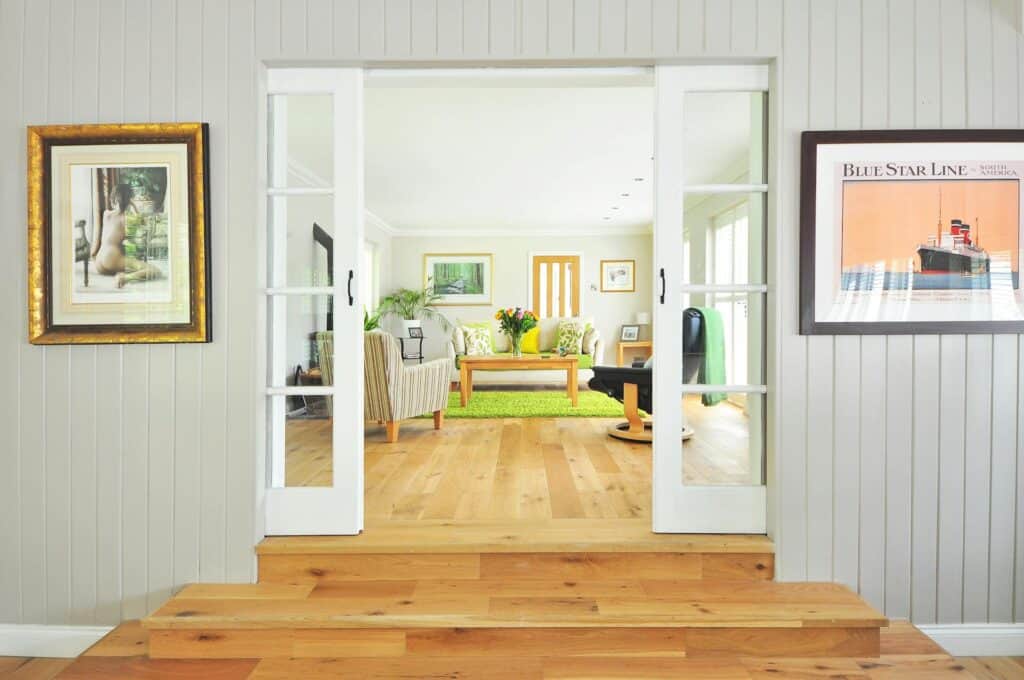
Minimalism’s methods are more practical and externally focused. Minimalists declutter living spaces, simplify schedules, and reduce material distractions. The idea is to remove what’s unnecessary — not just physical clutter but any excess that burdens or distracts you (lifestyle.sustainability-directory.com). When you do, your space feels tidier and more organized.
4. Goals
The ultimate aim of Zen is profound inner peace and enlightenment. At its core, Zen is about letting go of the mind’s clinging and illusions. The practice helps us release thoughts and desires that create suffering - like letting go of a worrying thought. With meditation and awareness, we can release these mental burdens and find a calmer, clearer state of mind (zenstudies.org).
Minimalism, on the other hand, is about finding clarity and freedom in daily life. By letting go of extra stuff or commitments, we create more time, space, and energy for what’s important.
Where Zen and Minimalism Meet
Seeing the differences reminds us that you don’t have to choose one over the other. You can let Zen calm your mind, while Minimalism clears your space. Together, they support us to create a better lifestyle both inside and out. Here's where their paths cross:
1. The Value at the Heart: Living Simply
Zen asks us to see reality as it is. Minimalism asks us to let go of what no longer serves us. Both point toward the same value: simplicity. They encourage intentional living — choosing what adds values instead of carrying the noise and unnecessary stuffs. Distractions can appear as clutter in our homes or clutter in our minds. Through Zen Minimalism, whether by meditation or decluttering, both paths remind us that freedom comes not from having more, but from needing less.
2. When Minimalist Rules Feels Too Strict, Zen Softens the Edges
Minimalism can sometimes feel a bit strict — like counting every item, aiming for empty spaces, or following too many rules about what to keep. As Cleanup Geek points out, focusing too much on these rules can actually highlight the Disadvantages of Minimalism. Zen helps soften this edge. Instead of constantly decluttering just to fit a minimalist ideal, Zen encourages you to calm your mind, reflect on what you own, and gently ask yourself: “Am I doing this to improve my life, or just following a lifestyle trend?” This way, decluttering isn’t about giving up things by force, it helps you decide what’s useful, and guides you when you’re unsure. Minimalism becomes less about numbers or proving disciplines, and more about awareness.
3. Miminalism creates space for Zen Practice
The article “Zen Meditation: How (and Why) to Start a Zen Practice,” written by Calm, emphasizes that creating a dedicated environment is a required first step to start Zen practice. A quiet, uncluttered space makes it easier to sit down, breathe, and notice the present moment. Minimalism helps create this kind of environment. A simple room with natural light, fewer objects, and clean lines let your mind relax faster. The less visual noise we face, the more space there is for meditation and calm.
4. A Bedroom, a Plant, and the Lesson of Balance
Imagine a minimalist bedroom with only a bed, a small table, and a plant by the window. For many people — especially those with daily needs or kids — it can feel empty or lacking rather than calming. While such a space can make Zen practices like meditation, mindful breathing, or sipping tea easier, Zen also helps prevent Minimalism from going to extremes. A Zen mindset reminds us that minimalism isn’t about perfection; it’s okay to keep a few items we love, even if they are not “necessary.” What matters is balance: living simply without turning simplicity into another source of pressure.
When Zen and Minimalism come together, life feels simpler and calmer. Zen softens the strict rules of Minimalism, while Minimalism gives a gentle structure to Zen. The result is a way of living where a tidy space and a peaceful mind naturally support each other every day.
Common Misconceptions about Zen Minimalism
Because Zen and Minimalism often appear side by side, it’s easy for myths to form. Let’s clear up two of the most common.
Myth 1: Zen = Minimalism
Some assume that if a space looks minimalist — bare walls, clean lines, little decoration — it must be “Zen.” But Zen is not about creating a style of home. It is a spiritual practice to support us practicing awareness and meditation. You can practice Zen in a cluttered apartment or a simple temple hall. The essence is presence, not design.
Myth 2: Minimalism = Zen
Another assumtion is choosing a minimalist lifestyle automatically makes them Zen. The truth is, owning fewer things or decluttering your closet does not make you a Zen practitioner. Minimalism is about lifestyle choices and values, while Zen is about training the mind and spirit. They can support each other, but they are not the same.
Why the confusion happens
Part of the confusion comes from the images we often see when looking up this lifestyle. Zen aesthetics — such as Japanese gardens or tea rooms — often look minimalist. Meanwhile, Western minimalism sometimes borrows Zen language to promote calm, simplicity, or mindfulness. This overlap in design and messaging blurs the line between the 2 concepts.
How to avoid mixing them up
The simplest way: remember that Zen works inside, with awareness and presence, while Minimalism works outside, with objects and choices. Keeping this inner–outer difference in mind helps you enjoy the benefits of both without losing their unique value.
Living With Both: Zen Minimalism in Practice
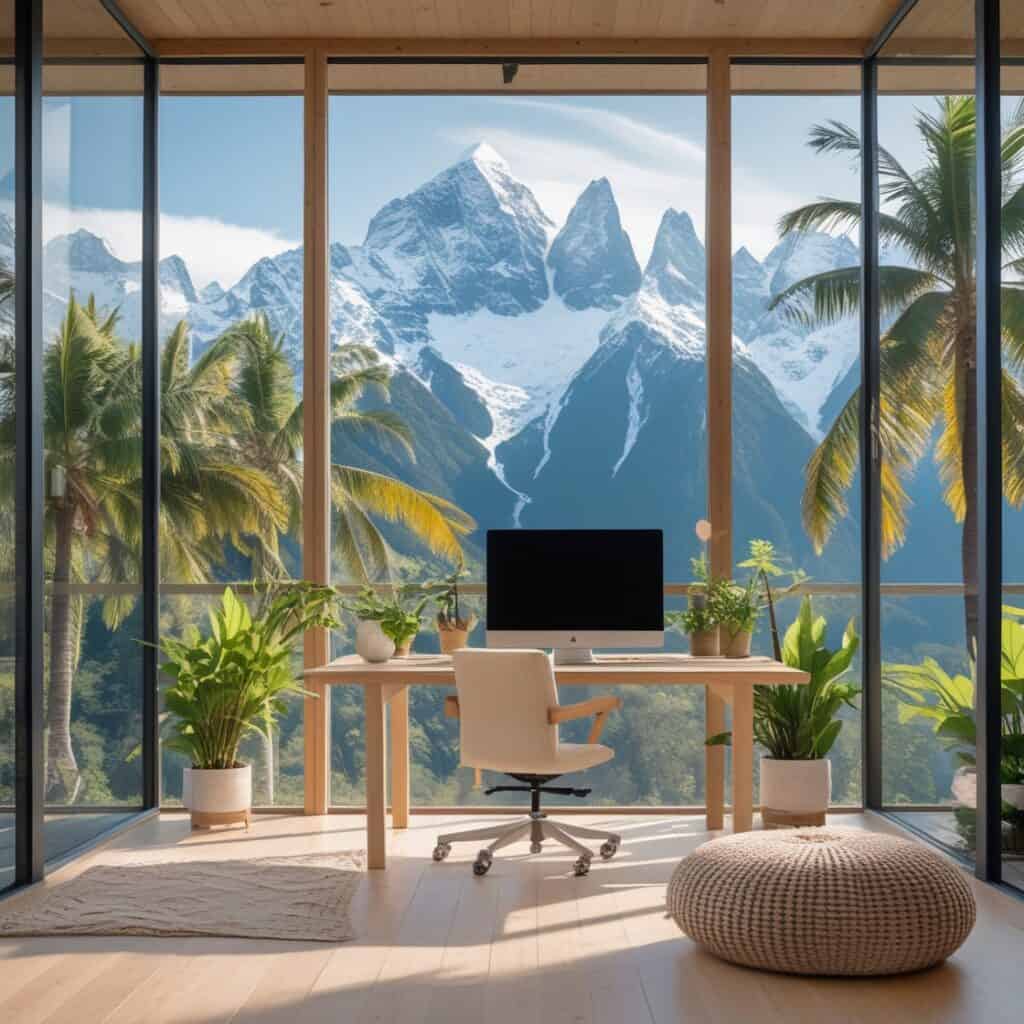
So what happens when you bring Zen and Minimalism together?
I explored this blend more deeply in another piece: Zen Minimalism: Where Simplicity Meets Stillness
But in short, Zen Minimalism is about:
• Owning less, but with purpose: Keep only the things that have a purpose or make you happy, not the ones you keep out of habit or because you feel you should.
• Slowing down and being present: Take time to notice and enjoy simple moments instead of rushing through life.
• Letting go, not just to have more space, but to feel more peace: Decluttering isn’t about being perfect — it’s about creating calm for your mind and heart.
• Living simply, not just to reduce stress, but to live with clarity: A simpler life helps you focus on what really matters and support better decision making.
Practicing Zen Minimalism in Daily Life
Here are some simple ways to bring Zen Minimalism into your routines:
- Morning routine: Start your day with a short meditation, a few deep breaths, or some basic yoga poses before checking your phone. This brief moment brings a little calm before the day begins. You practice some Gentle Yoga poses through: Gentle Yoga as a Zen Practice.
- Decluttering: Keep only the items that feel meaningful or useful, and do it with purpose. Notice how letting go of one thing can create more space for peace. You might experience emotional weight when you decide to let one thing go, and you can learn how to overcome it here: Minimalism and Letting Go: What I Gained from Giving Things Away.
- Eating: Practice mindful eating by paying attention to each bite and choosing meals with balance nutritions. Focus on enjoying your food rather than rushing through it. For practical tips on eating less without feeling deprived, see 9 Zen Minimalism Tips to Eat Less Without Feeling Deprived. If you’re curious about balancing treats and health, check out Can You Eat Unhealthy and Still Be Healthy? My Answer Is Yes.
- Work and productivity: Focus on one task at a time. Single-tasking reduces stress and brings both clarity (Minimalism) and presence (Zen) into your workday. For a broader approach, see How to Organize Your Life in the Middle of Chaos.
- Parenting & daily life: Apply Zen principles to everyday interactions, especially with kids. This helps create calm and intention in your home. Read more in Zen Parenting: Zen and the Art of Raising Children and Slow Living Isn’t Lazy — It’s a Radical Act of Intention.
These practices aren’t about following strict rules. They’re gentle reminders that outer simplicity and inner calm can support each other. Step by step, Zen Minimalism can turn ordinary routines into moments of clarity and balance.
A Path to Clarity
Zen and Minimalism are not the same, but they are often mentioned side by side. Zen is a spiritual practice that turns inward, helping us find presence and peace in the mind. Minimalism is a lifestyle choice that turns outward, clearing away the excess so we can focus on what matters. Each stands on its own, but together they create a powerful balance — inner calm supported by outer simplicity.
You don’t have to commit to either one fully. You can begin by asking yourself simple questions:
· What am I holding that I don’t need anymore?
· Where can I make more space?
· How would it feel to slow down a bit?
The best way to begin is step by step. You can start by trying one short meditation in the morning, or letting go of one item that no longer serves you. Over time, these small steps build a habit of living that feels more intentional.


