

Do you ever feel life is chaotic, even on the days you carefully plan your schedule? The plan might bring a brief sense of calm, but soon enough the demands pile up again — work, family, health, money, friendships, all require for your attention at once. No matter how much you try to stay on top of things, there will be something slips through. Maybe it’s the laundry piling up, a workout skipped, or another night spent scrolling instead of sleeping.
You’re not alone. We often hear advice like, “Just get organized and life will run smoothly.” But the truth is, organization is never that simple. When I say “organize your life,” I don’t mean building a flawless plan or controlling every detail. It’s about creating simple systems that support you — so instead of feeling overwhelmed, you can move through your days with a little more clarity and calm.
Organizing your life shouldn’t mean following strict rules. It needs to be flexible, something you can adapt to different areas — work, home, health, finances, and relationships. The goal is simple: less juggling, more living.
But Why Staying Organized Feels So Hard

Just when we plan out the day and start to believe our routine will work, something unexpected happens — a sudden project, an illness, or even a change of season. The systems we create often crack under pressure.
Also, there’s simply too much to manage: endless tasks, possessions, and notifications. The more we collect, the harder it is to keep things in order.
Time itself often feels scarce. With or without a to-do list, your day quickly fills with tasks, leaving little space for rest. When everything seems urgent, it’s easy to push things aside and promise to handle them “later” — but later rarely comes. Then decision fatigue sets in. It shows up everywhere: in your inbox, in the bills on the table, the items on the floor. Each one demands a choice, but you’re already too tired to face them.
Clutter isn’t proof that you lack discipline — it’s simply a part of being human. Recognizing these obstacles is the first step to building systems that are flexible, and built for real life. Here are seven simple principles to help you stay more calm and organized.
The Gentle Order Framework (7 Principles)
1. Write It Down

I have a rule for myself: never fully trust my memory. Our mind can’t hold everything — it only gets messy inside. Write your tasks, ideas, and reminders down, using a notebook, your phone, or a simple app, but keep it all in one place. Once it’s out of your head, you’ll feel lighter and more in control.
2. Build Simple Routines
Motivation comes and goes, but habits stay. A routine doesn’t have to be long. Just a few small actions to start and end your day.
A morning routine with habits like stretching, coffee, setting one small goal.
Evening: tidy up, write down tomorrow’s plan.
Simple routines keep life steady.
3. Prioritize What Matters
You can’t do it all. And you don’t need to. Pick one Most Important Task (MIT) each day. Focus on it first. Learn to say no to things that don’t matter. When you choose what matters, you feel much easier to move through your day.
4. Consistency Over Perfection
Perfection is impossible. Missing one habit doesn’t mean you failed. Keep going, even in small steps. A short walk is better than no exercise. Cooking a quick meal is better than takeout every night. Small actionsn create real change.
Learn more about how to make your habits last with: Building Zen Habits That Last: Practical Tips for Everyday Life
5. Declutter Regularly
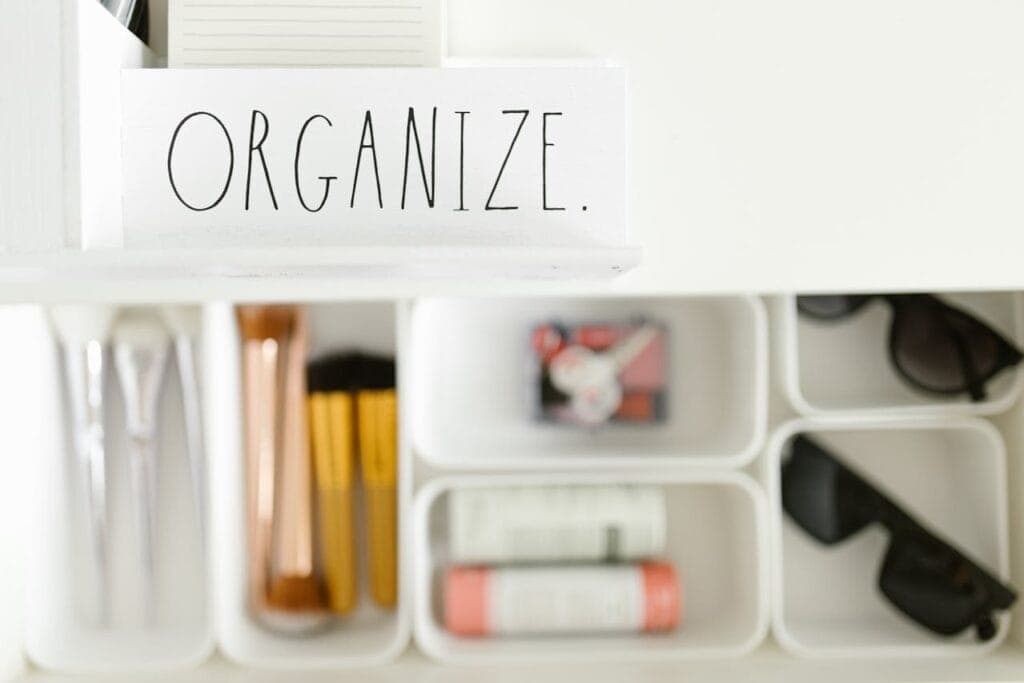
Clutter builds up fast. Don’t wait for a big clean. Do a little every day. Spend The 5-Minute Declutter Routine: Chaos Ends Already! Small resets make space for calm.
6. Automate and Share
You don’t have to do everything yourself. Let technology handle the simple stuff — like paying bills, setting reminders, or repeating chores. At home, share tasks with your family. At work, give jobs to others when it makes sense. This way, you save your energy for the things only you can do.
7. Experiment Gently
Life changes. Your system should change too. Try a new tool, adjust your routine, or test a new habit. Keep what helps. Drop what doesn’t. Treat it like an experiment. Gentle changes keep you flexible and free.
The seven principles are only useful if we bring them into daily life. Let’s see how you can apply them in different areas — work, home, health, money, and relationships.
Bringing the Framework Into your Daily Life
Work
A cluttered desk and inbox make it harder to focus. Start fresh by clearing papers, closing tabs, and sorting emails. Before you log off, plan tomorrow with a short list of priorities. And when the new day starts, give your best energy to deep work first — not emails or quick tasks.
Home
Your home doesn’t need to be perfect, just cared for a little every day. Do a daily reset: wash the dishes, make your bed, and tidy one small corner. Add a weekly reset for laundry and cleaning the fridge. If you live with others, share the chores so the load feels lighter.
Health & Fitness
Treat your workouts like real appointments. Block them on your calendar and show up. Keep meal prep simple: a few basics ready in the fridge is enough. Follow the 80/20 rule — eat mostly healthy, but allow treats without guilt. Balance makes health sustainable.
☞ You can also read: 9 Zen Minimalism Tips to Eat Less Without Feeling Deprived.
Finances
Secure your money with simple finance system. Track your spending in just four categories: needs (rent, bills, food), wants (shopping, entertainment), savings (future goals, emergency fund), and giving (donations, gifts)
Set up automatic savings so a part of your income moves straight into savings each month, and you don’t have to think about it. Then, once a month, take 15–20 minutes for a quick review. Look at how much you spent in each category, notice any patterns, and make small changes if needed. This simple habit helps you stay in control, avoid surprises, and feel more at peace with your finances.
Relationships
Set a simple rule to always make time for the connections that you care for. Schedule time with loved ones with activities like coffee, calls, or a walk together. Redefine socializing so it doesn’t always need big events. And remember, it’s okay to say no to commitments you don’t like. Protect your time for the people who matter most.
And Don’t Forget to Avoid Common Traps
• All-or-nothing thinking: Don’t aim for perfect routines. Start with the smallest version of a habit and build up.
• Perfectionism: Done is better than perfect. A little progress is still progress.
• Multitasking: Focus on one thing at a time. It feels calmer and you’ll finish faster.
• Self-blame: Don’t punish yourself when things slip. Gently reflect, learn, and adjust.
Building new systems can take more time than you think, but you don’t need to fix everything at once. You can start by test the principles for just one week. Here’s a simple 7-day reset plan you can follow:
A 7-Day Reset Plan
☀︎ Day 1: Brain dump everything
Write down every task, idea, reminder, and even the results you want from your head into one place. Clear your mind before you begin.
☀︎ Day 2: Pick one realistic routine
Choose a small action that easily fits into your daily schedule — like making your bed or stretching for five minutes — and repeat it every day.
☀︎ Day 3: Declutter one space
Tidy a small area, such as your desk, bag, or fridge. Focus on finishing one spot instead of the whole house.
☀︎ Day 4: Track your time for 1 day
Notice where your hours go. Write down work, breaks, scrolling, meals, and rest. Awareness is the first step to change.
☀︎ Day 5: Choose one MIT each morning
Start your day by deciding your Most Important Task (MIT). Do it first before other tasks take over.
☀︎ Day 6: Do a weekly reset
Take 30–60 minutes to plan your week ahead, tidy your space, and prepare meals or essentials. This creates a fresh start.
☀︎ Day 7: Reflect & adjust gently.
Look back on the week. What worked? What didn’t? Keep the helpful parts, and let go of what felt heavy.
More Living, Less Juggling
Unexpected events come up, some tasks stay unfinished, and no plan works out 100%. That’s why this framework is to support you in building a flexible plan that fits your life, so you can find peace even on the busiest days.
Don’t try to control every corners of your life. Choose just one principle and try it today. Write down your tasks, tidy one corner, or set aside time for a weekly reset.
Remember, the goal isn’t to juggle faster or harder. It’s to juggle less — so you have more energy for the moments that means to you.


